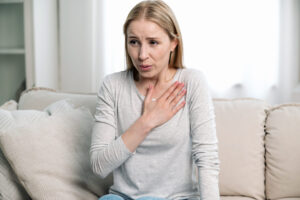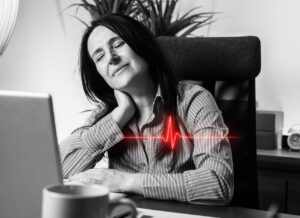


If you’ve ever felt your heart skip, thump, or race, the first question most people ask is: What caused that? In many cases, palpitations are the heart’s normal response to common triggers.
Frequent triggers that can provoke palpitations
Some of the most common culprits include:
- Caffeine (coffee, energy drinks, pre-workout supplements)
- Dehydration, especially in hot climates
- Alcohol, even in small amounts
- Poor sleep or untreated sleep apnea
- Stress or sudden adrenaline spikes
- Decongestants containing pseudoephedrine
- Stimulants (including some ADHD medications)
- Thyroid medications or thyroid imbalance
- Low iron, electrolyte shifts, or illness
These triggers don’t necessarily cause a heart rhythm disorder—but they can make a normal rhythm feel abnormal.
What “benign” palpitations often feel like
Palpitations caused by extra beats—called PACs or PVCs—are extremely common. Many healthy people have them daily without realizing it.
Typical benign patterns include:
- Brief skips or thumps lasting seconds
- Sensations that come and go
- Improvement with hydration, sleep, or reducing caffeine/alcohol
- No fainting or significant chest pain
They can still feel alarming, especially when you’re not expecting them. “Benign” doesn’t mean pleasant—it just means they’re not damaging the heart.
Why women often notice these more
Hormonal changes can increase sensitivity to heart rhythm changes. During perimenopause, menopause, pregnancy, or monthly cycle shifts, the same extra beat that once went unnoticed may suddenly feel dramatic.
Stress also plays a role—not because symptoms are “in your head,” but because stress hormones increase adrenaline, which directly affects heart rate and rhythm.
When trigger-related palpitations still deserve attention
Even if triggers are involved, palpitations should be evaluated if they are:
- Increasing in frequency
- Interfering with daily life or sleep
- New or different from your usual pattern
- Associated with lightheadedness, breathlessness, or chest discomfort
Sometimes triggers uncover an underlying rhythm issue that was already there.
The bottom line
Many palpitations are the heart reacting to inputs—not a dangerous rhythm. Identifying and adjusting triggers can dramatically improve symptoms. But trigger-related doesn’t automatically mean “nothing to worry about.” Patterns matter.
Next, we’ll talk about the signs that suggest palpitations may be more than stress or stimulants.
Call 352-504-3500 or request an appointment at www.tc-heart.com to schedule a palpitations or rhythm evaluation with Dr. Pedro Adrover at Tri County Heart Institute.
Medical disclaimer: This article is for education only and does not replace medical advice. Seek emergency care for severe symptoms.