

If you’re having palpitations, the goal isn’t to guess—it’s to capture the rhythm. Here’s a clear, practical plan.
Step 1: Track the episode (30 seconds)
Use your phone’s notes app and jot down:
- Time and what you were doing
- How it started (gradual vs sudden)
- How it ended (gradual vs sudden)
- Symptoms (lightheadedness, shortness of breath, chest pressure, sweating)
- Possible triggers (caffeine, alcohol, dehydration, stress, poor sleep)
- If you can, your pulse (fast? irregular?)
Patterns matter more than perfection.
Step 2: Capture the rhythm
Your cardiology or electrophysiology team may recommend:
- Holter monitor (24–48 hours)
- Event monitor (2–4 weeks)
- Patch monitor (comfortable, longer wear)
- Implantable loop recorder for rare but serious episodes
Smartwatches can help start the conversation, but medical-grade monitoring confirms the diagnosis.
Step 3: Rule out common drivers
A typical evaluation may include:
- EKG
- Blood work (thyroid, iron, electrolytes)
- Echocardiogram (heart structure and function)
- Sleep apnea screening when appropriate
Step 4: Treat what’s actually happening
Treatment depends on the rhythm and your goals:
- Trigger control (hydration, sleep, caffeine/alcohol adjustments)
- Medications to calm extra beats or prevent racing
- Ablation, a targeted procedure that can cure many SVTs and selected AFib/flutter cases
- Stroke-risk planning for AFib when needed
Questions to ask your cardiologist
- “What rhythm are we trying to capture?”
- “What monitor gives us the best chance?”
- “If this is SVT or flutter, am I a candidate for ablation?”
- “If it’s AFib, what’s my stroke-risk plan?”
- “What symptoms should send me to urgent care?”
Bottom line
Stress can trigger palpitations—but stress isn’t a diagnosis. If your palpitations are recurring, disruptive, or frightening, you deserve a real evaluation.
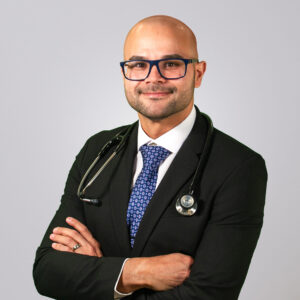
Call 352-504-3500 or request an appointment at www.tc-heart.com to schedule a palpitations or rhythm evaluation with Dr. Pedro Adrover at Tri County Heart Institute.
Medical disclaimer: This article is for education only and does not replace medical advice. Seek emergency care for severe symptoms.